
Alternatives to Self-Healing Integrations
Explore the best alternatives and competitors to Self-Healing Integrations.
Explore 20 alternatives to Self-Healing Integrations. Compare features, pricing, and find the best fit for your needs.
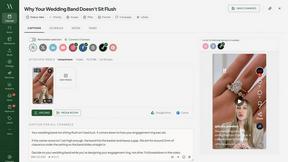
Maeve Social
Plan social content, get client approval, publish to nine platforms, and report with an AI assistant.

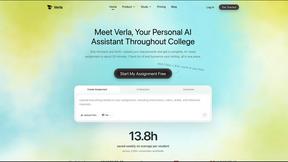
Verla AI
Verla is an AI academic assistant for university and college students, combining AI essay writing, academic research, AI detection, AI humanization
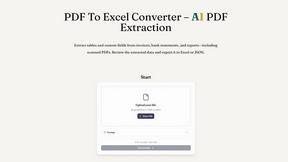
PDF to Excel
ReadyData is an online PDF to Excel converter powered by AI. It helps users extract tables and relevant fields from invoices, bank statements, reports

LinkIntel
MCP server giving your AI assistant your X post results and X’s ranking weights, with sources.
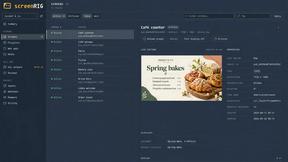
screenRIG
Signage and kiosk infrastructure for AI agents. Your agent publishes images, video, streams, web pages and apps to screens via one plugin.screenRIG is

GetYouTubeTranscript
Free YouTube transcripts on the web, a Chrome extension, and an API + MCP server so AI assistants can read YouTube.



Speechyou
AI transcription for voice notes, meetings, and audio files in 1,700 languages, with AI summaries and subtitle export and unlimited chat ai usage.
ProspectHalo
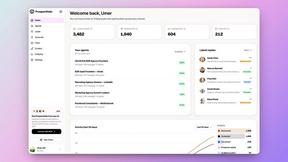
AI sales agent that finds qualified leads, runs outreach, follows up automatically, creates content, and helps book more meetings.

benchmark.directory
146 AI tools across 20 categories, indexed by the job they do. Every listing earned its place. None of them paid for it.

ViduAI
ViduAI creates consistent cinematic videos from text, images, references, and first/last frames with Vidu Q3.

Tools Network
Curated directory of the best AI tools across 25+ categories. Compare ratings, pricing, and features to find the right one fast.



Built2Win AI Indexing
Custom PHP websites, AI Indexing Pack ($599 one‑time), and WebAgentScan SaaS ($9/mo). MCP, A2A, llms.txt, full ownership.
About Self-Healing Integrations Alternatives
In the rapidly evolving landscape of AI-driven automation, Self-Healing Integrations emerges as a revolutionary category-defining solution. It is not merely another tool that builds connections; it is an agentic platform that actively maintains and evolves them, belonging to the advanced AI Assistants ecosystem. Users often seek alternatives when their organization’s specific pricing models don’t align with scaling needs, when they require a different set of native connectors, or when the platform’s specific AI governance and security protocols must match internal compliance frameworks. The search for an alternative often stems from a desire for a more tailored deployment environment or a different approach to managing the lifecycle of custom integrations. When evaluating a potential alternative, look for a solution that transcends the traditional integration tax. The ideal platform should offer a truly autonomous lifecycle, where the AI not only builds the connection but also monitors, diagnoses, and repairs any failures in real-time without manual intervention. Prioritize options that provide a seamless, agentic experience—think of a system that learns from data flow patterns and preemptively adjusts to changes in APIs or system updates. The most futuristic choices will offer a zero-touch maintenance model, ensuring that your new channels, systems, and partners launch with lightning speed and remain perpetually operational, effectively eliminating the slow and expensive overhead of legacy integration projects.
FAQs about Self-Healing Integrations Alternatives
What is Self-Healing Integrations?
Self-Healing Integrations is an agentic platform that goes beyond building integrations to actively maintain and keep them running. It replaces the traditional model of custom integration projects with an AI-managed lifecycle, ensuring that connections between any systems remain operational without manual intervention. This revolutionary approach eliminates the costly integration tax that slows down the launch of new channels, systems, or partners.
Who is Self-Healing Integrations for?
Self-Healing Integrations is designed for organizations that rely on custom integrations requiring ongoing changes, monitoring, and maintenance after go-live. It is ideal for companies tired of the slow and expensive process of launching new channels, systems, or partners due to the integration tax. The platform serves businesses that need a futuristic, AI-driven solution to manage complex, evolving connectivity without dedicating excessive engineering resources.
Is Self-Healing Integrations free?
The provided content does not specify whether Self-Healing Integrations is free. Pricing information would likely be based on the scale of integrations, the number of systems connected, and the level of AI-managed lifecycle support required. For accurate and current pricing details, you would need to consult the official Plumbed.io website or contact their sales team directly.
What are the main features of Self-Healing Integrations?
The primary feature is an AI-managed lifecycle that automatically monitors, maintains, and repairs custom integrations after they go live. It replaces manual integration projects with an autonomous system that keeps connections running smoothly, eliminating the need for constant human oversight. This includes proactive detection of changes in APIs or systems, ensuring that every new channel, partner, or system launch is fast, efficient, and perpetually operational.