
Blueberry vs CloudBurn
Side-by-side comparison to help you choose the right AI tool.

Blueberry
Blueberry is the AI-native workspace that unifies your editor, terminal, and browser for seamless product development.
Last updated: February 28, 2026

CloudBurn
CloudBurn empowers you to foresee AWS costs in pull requests, preventing costly misconfigurations before deployment.
Last updated: February 28, 2026
Visual Comparison
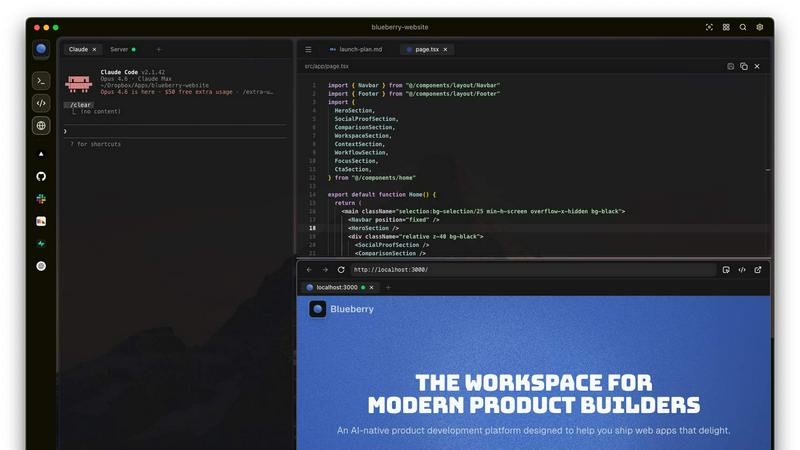
Blueberry
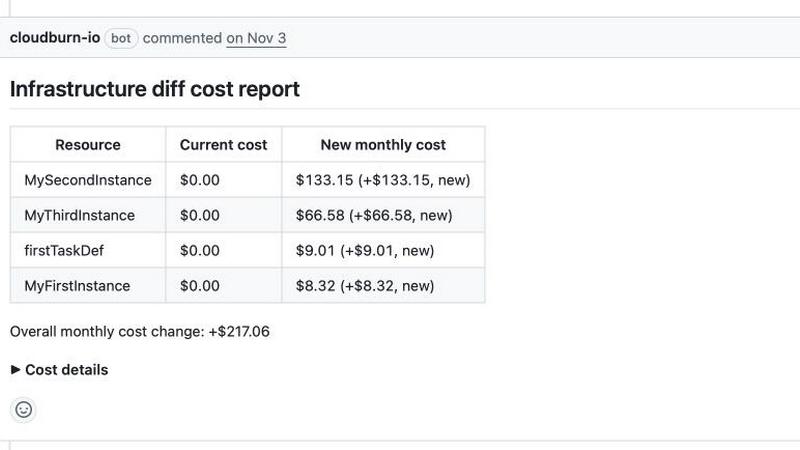
CloudBurn
Feature Comparison
Blueberry
Unified AI-Native Workspace
Blueberry deconstructs the traditional, siloed development workflow by fusing a powerful code editor, system terminal, and device-aware preview browser into one seamless interface. This triad operates not as separate apps but as interconnected panels within a single window, sharing state and context fluidly. The environment is built from the ground up to feed real-time data to integrated AI, creating a symbiotic workflow where your tools and your intelligence are perfectly aligned, eliminating friction and tab overload.
Full-Context AI via MCP Integration
The platform's groundbreaking integration with the Model Context Protocol (MCP) provides your chosen AI assistant with a live, comprehensive feed of your development state. Unlike basic chat plugins, Blueberry's built-in MCP server allows models to see your open files, real-time code changes, terminal commands and outputs, and even the visual state of your preview browser simultaneously. This constant, rich context enables the AI to offer precise, actionable guidance, debug with awareness, and generate code that fits perfectly into your running application.
Visual Context & Pinned Apps
Blueberry extends context beyond code to include your entire digital product ecosystem. The screenshot and direct element selection tool allows you to give your AI visual references from the preview browser. Furthermore, you can dock essential web apps like GitHub, Linear, Figma, and PostHog directly within the workspace. These "Pinned Apps" load with your project and share their live context with the AI, creating a holistic command center for product development.
Professional Editor with Git Integration
Despite its AI-centric design, Blueberry does not compromise on core developer tooling. It includes a fully-featured, professional code editor equipped with advanced syntax highlighting, multi-cursor support, robust find-and-replace, and built-in Git integration. This ensures you have all the power and precision of a modern editor, which simultaneously serves as the primary data source for your AI's deep understanding of the project structure and history.
CloudBurn
Real-Time Cost Analysis
CloudBurn delivers instantaneous cost estimates for every change proposed in a pull request. By leveraging live AWS pricing data, it calculates the precise monthly dollar impact of infrastructure modifications, empowering teams to make informed decisions.
Automated Feedback Loop
The platform acts as a pre-deployment sentinel, providing actionable reports directly within the GitHub PR interface. This automated feedback loop integrates seamlessly into existing workflows, ensuring that cost awareness is a fundamental part of the development process.
Integration with Popular IaC Tools
CloudBurn supports popular Infrastructure-as-Code frameworks such as Terraform and AWS CDK, allowing teams to easily incorporate cost estimation into their existing workflows. This seamless integration ensures that cost implications are considered at every stage of development.
Secure GitHub Integration
Billing, setup, and permissions are managed entirely through GitHub, ensuring a streamlined and secure user experience. This setup not only enhances security but also simplifies the onboarding process for new users.
Use Cases
Blueberry
Rapid Full-Stack Web Development
Developers building modern web applications can leverage Blueberry to streamline the entire stack workflow. Write backend API logic in the editor, run and debug servers in the integrated terminal, and see frontend changes render instantly in the live preview browser—all while asking your AI to explain a complex route, generate a component based on the current UI, or diagnose a server error using the combined terminal and code context.
AI-Powered Debugging and Refactoring
When encountering bugs or planning a code refactor, use Blueberry's unified context to supercharge the process. Your AI can analyze the error output in the terminal, cross-reference it with the relevant code files open in the editor, and even inspect the broken UI state in the browser preview. This holistic view allows for accurate root-cause analysis and safe, context-aware suggestions for fixes and improvements.
Collaborative Design-to-Code Implementation
Designers and frontend developers working in tandem can use Blueberry to bridge the gap between design and implementation. Pin the Figma mockup in the workspace, use the browser's element selector to reference components, and instruct the AI to generate or adjust React/Vue code to match the design precisely, with immediate visual feedback in the multi-device preview pane.
Interactive Learning and Code Exploration
Students and developers exploring a new codebase or technology can use Blueberry as an interactive learning platform. Open a project, run it, and freely ask the AI questions about how specific files (like route.ts) work, request explanations of terminal commands, or get walkthroughs of the component hierarchy, with the AI guiding you through the actual, running code in real-time.
CloudBurn
Proactive Cost Management
Teams can utilize CloudBurn to manage and monitor cloud expenses proactively, identifying potential financial issues before they escalate into significant liabilities. This ensures a more predictable budgeting process for cloud infrastructure.
Optimizing Resource Allocation
By providing detailed cost reports on proposed changes, CloudBurn enables teams to optimize their resource allocation. Developers can make cost-effective decisions that balance performance with financial prudence, enhancing overall project efficiency.
Enhancing Collaboration
CloudBurn fosters collaboration between developers and financial teams by integrating cost considerations into the standard PR review process. This collective approach to cost management enhances accountability and encourages cost-aware decision-making.
Reducing Post-Deployment Refactoring
With real-time cost insights, CloudBurn empowers teams to avoid the costly and risky process of refactoring expensive resources post-deployment. This preemptive measure allows projects to stay on track and within budget.
Overview
About Blueberry
Blueberry is the paradigm-shifting, AI-native product development platform engineered for the modern builder. It transcends the traditional, fragmented development environment by unifying your essential tools—a professional-grade code editor, a fully-featured terminal, and a live preview browser—into a single, hyper-focused workspace. Designed specifically for macOS, Blueberry eliminates the cognitive overhead and constant context-switching of juggling multiple application windows. Its revolutionary core is the integrated Model Context Protocol (MCP) server, which grants AI models like Claude, Gemini, or Codex a real-time, panoramic view of your entire project context: the code you're writing, the terminal output, and the live browser preview. This means you stop wasting cycles on manual copy-pasting of context and start collaborating with an AI that truly understands your workspace. Built for developers, designers, and product pioneers who ship web applications, Blueberry is more than an IDE; it's the first cohesive environment where human intuition and artificial intelligence converge to accelerate creation, from initial concept to a delightful, shippable product.
About CloudBurn
CloudBurn is an innovative AI-native FinOps platform designed to redefine the financial operations landscape for engineering teams managing cloud infrastructure costs. Built specifically for teams leveraging Infrastructure-as-Code (IaC) frameworks such as Terraform or AWS CDK, CloudBurn addresses the pervasive issue of unexpected AWS bills that arise from post-deployment surprises. Its core mission is to embed cost intelligence directly into the software development lifecycle, shifting this critical analysis to the left of the deployment process. By integrating real-time, automated cost analysis into the code review stage, CloudBurn allows developers to understand the financial implications of their infrastructure changes instantly. Rather than accumulating costly surprises in invoices weeks after deployment, teams can collaboratively identify and rectify financial misconfigurations right at the pull request phase. This proactive approach transforms cost management from a reactive burden into an essential aspect of engineering practices, enabling teams to optimize configurations and prevent financial pitfalls before they ever reach production.
Frequently Asked Questions
Blueberry FAQ
What is MCP and why is it important?
MCP (Model Context Protocol) is an open protocol that allows AI models to securely connect to and retrieve context from external tools and data sources. In Blueberry, the built-in MCP server is revolutionary because it gives your AI a live, read-only stream of your entire workspace—your code, terminal, and browser. This moves AI interaction beyond simple chat into true situational awareness, enabling vastly more accurate and helpful assistance without manual copy-pasting.
Can I use any AI model with Blueberry?
Yes, Blueberry is designed to be model-agnostic through its MCP support. While it showcases seamless integration with models like Claude, Gemini, and Codex, you can connect any AI assistant that supports the MCP protocol. This future-proofs your workspace, allowing you to choose and switch between the most advanced AI models as they evolve.
Is Blueberry only for web development?
While Blueberry is exceptionally optimized for building web applications—with its integrated preview browser and frontend/backend tooling—its core unification of editor, terminal, and AI context is beneficial for many types of software development and scripting tasks on macOS. Any project that involves writing code, running commands, and benefiting from AI insight can be accelerated within the Blueberry workspace.
How does the preview browser work?
Blueberry's preview browser is not a simple web view; it's a fully functional, device-aware browser built into the workspace. It can render your local development server (e.g., localhost:3000) and allows you to instantly switch between desktop, tablet, and mobile screen emulations. This provides an accurate, real-time representation of what end-users will see without requiring external browser windows or device testing tools.
CloudBurn FAQ
What is CloudBurn?
CloudBurn is an AI-native FinOps platform that provides real-time cost analysis for cloud infrastructure changes, ensuring teams can manage costs proactively during the development lifecycle.
How does CloudBurn fit into our existing workflows?
CloudBurn integrates seamlessly with GitHub workflows, allowing teams to add automated cost analysis to their pull requests without disrupting their current processes.
Is CloudBurn secure?
Yes, CloudBurn handles all billing, setup, and permissions through GitHub, ensuring a secure experience while maintaining ease of use for teams.
Can CloudBurn help prevent unexpected AWS bills?
Absolutely. By providing immediate cost estimates and insights into proposed changes, CloudBurn helps teams catch financial misconfigurations before they lead to unexpected charges on AWS bills.
Alternatives
Blueberry Alternatives
Blueberry is a revolutionary AI-native development environment for macOS that converges your editor, terminal, and browser into a single, focused workspace. It belongs to the cutting-edge category of AI-integrated developer tools, designed to eliminate context switching and supercharge workflow by allowing connected AI models to perceive your entire working context in real-time. Users often seek alternatives for various reasons, including platform limitations, as Blueberry is currently exclusive to macOS. Others may look for different feature integrations, specific AI model compatibilities, or long-term pricing structures beyond its current free beta phase. The desire for a tool that aligns perfectly with a unique tech stack or workflow philosophy also drives exploration. When evaluating alternatives, prioritize core capabilities: seamless AI integration, the depth of context provided to models, and the elegance of unifying critical development surfaces. The ideal tool should not just combine windows but intelligently connect them, creating a symbiotic environment where your AI assistant operates with full situational awareness, turning your intent into execution without friction.
CloudBurn Alternatives
CloudBurn is a cutting-edge AI-native FinOps platform that revolutionizes how engineering teams manage cloud infrastructure costs. Specifically designed for teams leveraging Infrastructure-as-Code (IaC) frameworks like Terraform or AWS CDK, it shifts the paradigm of cost management from a post-deployment surprise to a proactive, embedded practice within the development lifecycle. By providing real-time cost estimates during code reviews, CloudBurn empowers developers to make informed decisions before deployment. Users often seek alternatives to CloudBurn for various reasons, including pricing considerations, feature sets that align more closely with specific needs, or the desire for compatibility with different platforms or workflows. When evaluating alternatives, it’s vital to consider factors such as the level of automation, integration capabilities with existing CI/CD pipelines, and the accuracy of cost analysis based on real-time pricing data. Ensuring that the alternative can seamlessly fit into the team's workflow while providing the necessary financial oversight is crucial for making an informed choice.